Thursday, April 4, 2013

Inside St. Rupert's Church/Ruprechtskirche

After the Jewish museums, I went back to St. Rupert's church, which I blogged about in February.  (It's the oldest church in Vienna.)  People were going into the church, so I decided to, too.


(Hey, look!  You can see me!)  

Photos of the interior, in no order


I think this photos's my favorite!  It's so beautiful, and I didn't need to enhance the color in my photo editing program at all.  :)


Um, I did NOT know there was a catacomb of St. Rupert in the church!


YUCK!!!!!!!!!!!!!!!


According to this site, it says St. Rupert had been the Bishop of Worms.

Well, then, why would he not want to be buried and reunited with the worms??!?


A prayer room at the back of the church


(Super-low doorway!  Ouch!  People must have been so much shorter 800 years ago!)


View of the sanctuary from prayer room

Stadttempel (& surrounding area)

Like I said, I'd wanted to tour the synagogue, Stadttempel, but wasn't able to, so I took a bunch of photos of the building and of the random things surrounding it in the area.


Views of its exterior


View of it from down the street

Pretty inconspicuous, huh?  Here's the reason why, according to this site:  
"The Stadttemple Synagogue was the only Synagogue left standing after the Kristallnacht - the night when the Nazis launched a coordinated attack on the Jewish people in Nazi controlled areas.  The Stadttemple was originally built in 1825 by the Viennese architect Josephe Kornhauumlusel. It was built directly into a line of houses, due to regulations stating that only Catholic places of worship could have direct access from the street. 
In fact, this was the reason that the Synagogue itself was not burned to the ground on the Kristallnacht.
Although not completely destroyed, it was severely damaged, however it has now been restored to its former glory. Today this synagogue is the main place of worship for the Jewish people in Vienna."
Kind of ironic that the building of the synagogue was meant to discourage the Jews, but, in the end, it was the reason the synagogue was spared.

Here are some random snapshots of stuff in the area...


This guy was a poet, and here's a link where you can read more about him.

I tried translating this plaque, but the online translation was funky.  Whoever can give me a more coherent translation wins!


This is called the Anker Insurance Company Clock.

Here's its info, according to this site:  "The Anchor Clock was built between 1911 and 1917 after the plans of the painter Franz von Matsch. It is situated on the oldest square of Vienna 'Hoher Markt' and represents a typical Art Nouveau design.
The clock forms a bridge between two parts of the Anker Insurance Company's building. The clock itself is adorned with mosaic ornaments. In the course of 12 hours, twelve historical figures or pairs of figures move across the bridge among them Joseph Haydn, medieval lyricist Walther von der Vogelweide, Empress Maria Theresa and Prince Eugen of Savoya. Every day at noon, all figures parade accompanied by music from the various eras. This tourist spectacle is a special kind of Viennese High Noon.
'Ankeruhr' aims to commemorate Vienna's past and the transitory state of live and being."


A mannequin


I'm not sure why, but this walkway, on the right side...


...has a plaque dedicated to JFK!  Why??

My Jewish Thursday - Judenplatz and The Vienna Jewish Museum

My Spring Break is flyyying by!  Monday and Wednesday were filled with randomness that I'll post about this weekend, and Tuesday was filled with taxes and Skype dates, which are interesting to no one.

Today was supposed to have been filled with Jewish-related things:  a tour of a synagogue, tours of some museums and viewing a memorial to Viennese Jews that died in the Holocaust.  However, due to some miscommunication, I wasn't able to tour the synagogue.  I did take photos of it, which will be featured in the next blog post.

I did also manage to get to see the museums and the memorial.


The first museum (read about it here) was at a huge square known as Judenplatz.  In medieval times, this was the Jewish ghetto area until the Jews were expelled/murdered in the 1400s.  This museum is situated around the ruins of the original synagogue from the 120ss that was build in this ghetto; the ruins are on display, but there wasn't much to look at.

This museum focused on the Viennese Jewish community today, and it showcased various coins, relics and architectural details from the said synagogue.

(I didn't take any photos inside because I don't think it was allowed.)


A pretty window above the entrance


Here's the memorial I'd wanted to see.


Here's a close-up of the exterior, with the explanation below.


According to this website, "Shoah" means "a mass murder of the European Jews by the Nazis during World War II; a Hebrew word for holocast."


Some old, pretty housetops on the platz


Brezel is where I had a Viennese birthday dinner with my friend Mallory.  It's right around the corner, literally, from the platz.


The Jewish museums had some sort of deal today, so I was able to tour both for the price of one.  Woo hoo!  :)

This second museum is the oldest Jewish museum in the world.  (They still count the years that the Nazis forced it to close.)  I didn't take photos inside, but you can read this website for more info.

It basically consisted of collections of various artifacts belonging to either Jews or to collectors or people documenting Jewish heritage in Vienna.  It also had several interactive areas for the public to express their viewpoints of such a museum and of tolerance.

Very, very interesting!


I want to return to its cafe to eat Jewish food!  :)

German houses

On Monday, I set out in search of a specific church but never found it.  I did, however, see a variety of interesting-looking buildings.

Funky church


Some funky buildings


I was in a district with streets typical of this one.


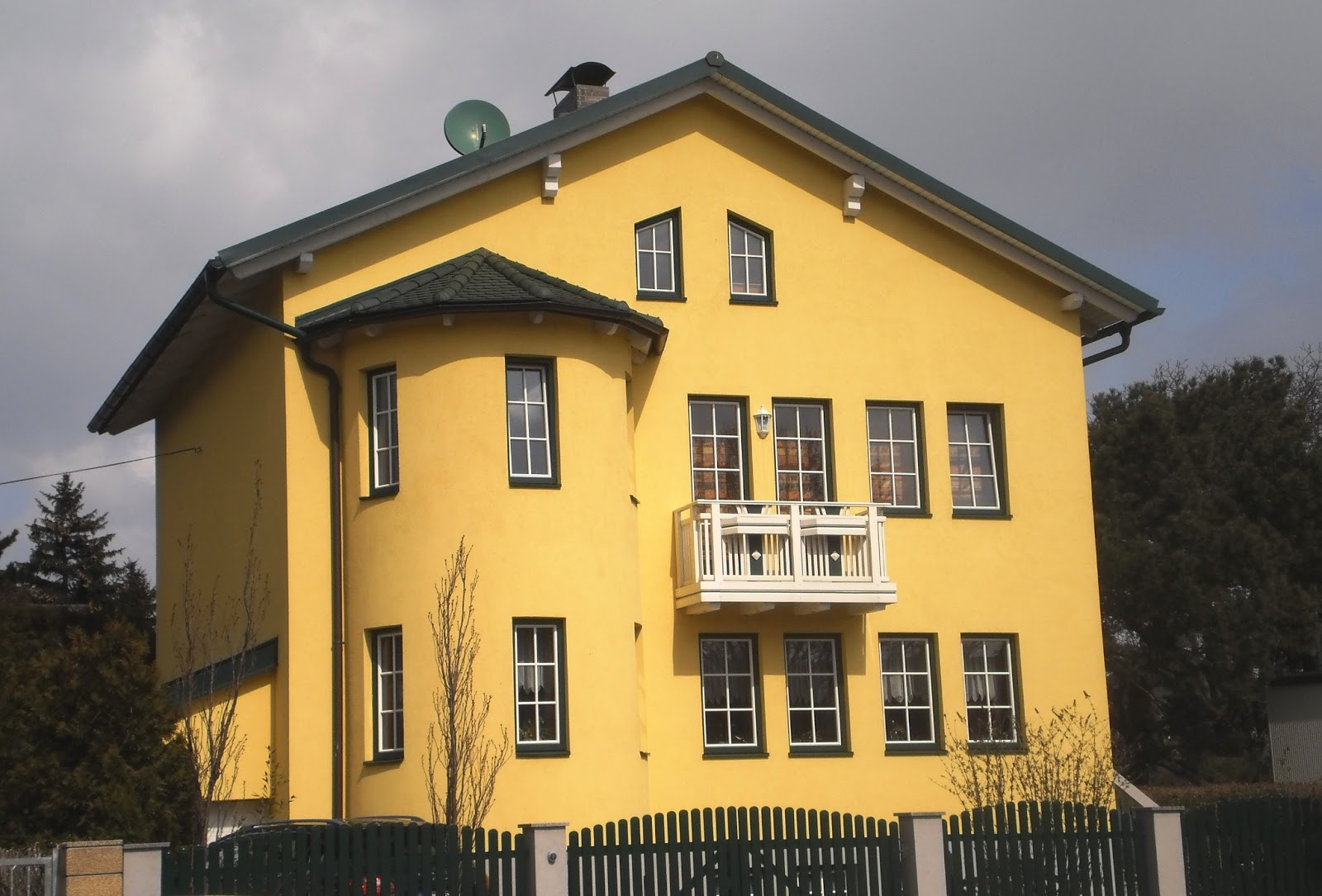
I think this house is so neat!


The Alps are in the background!